Charles H. Parrish Biography
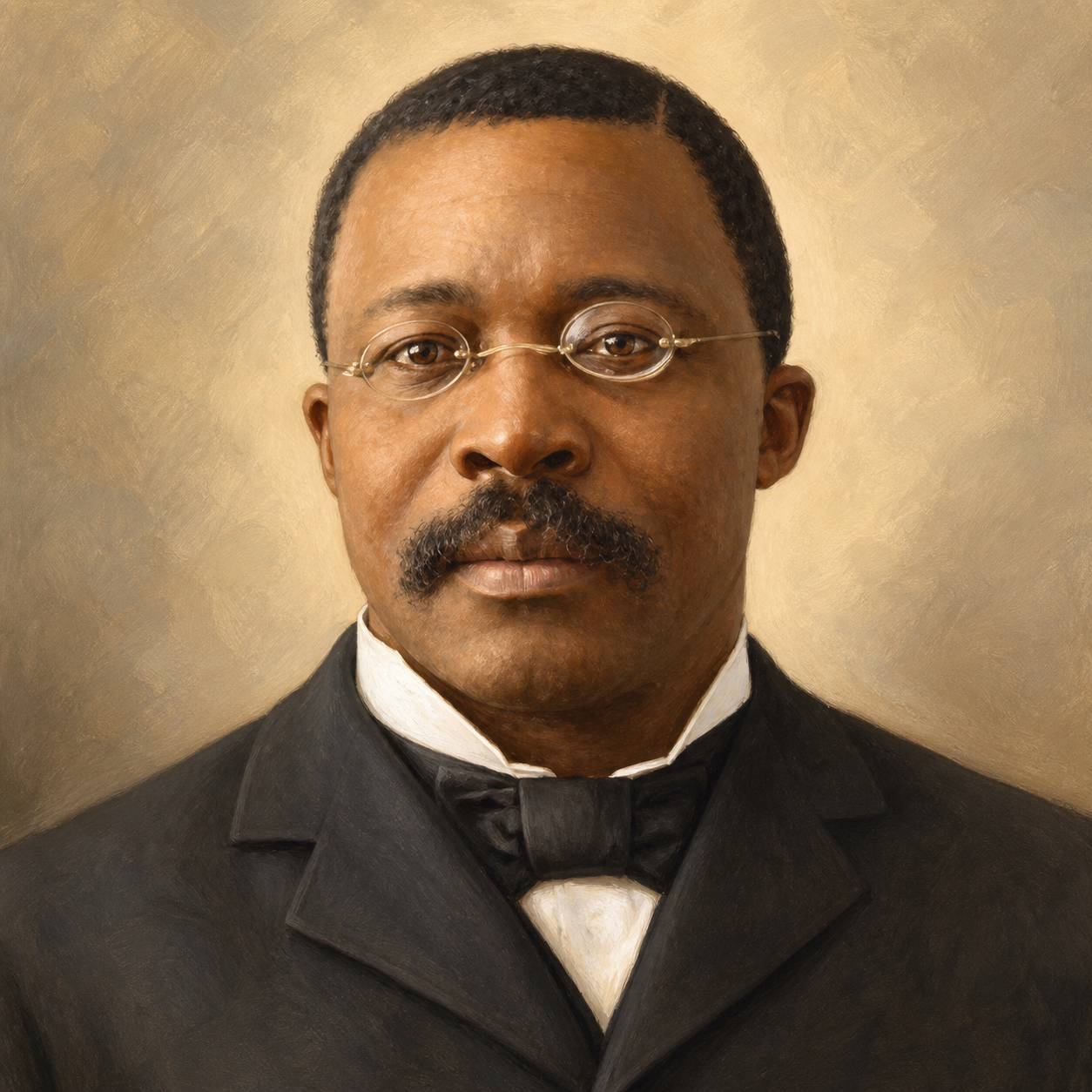
Charles Henry Parrish Sr. was a Baptist pastor, educator, denominational leader, and institution builder whose life joined theological conviction to disciplined public labor. Born in Lexington, Kentucky, in 1859, Parrish came of age in the years after emancipation and became one of the important Kentucky Baptist leaders of the late nineteenth and early twentieth centuries. He was formed in Baptist schools and churches, graduating from State University in Louisville, later known as Simmons University, in 1886.
Parrish’s ministry belonged to the Baptist tradition in its churchly, evangelical, and educational form. He served as pastor of Calvary Baptist Church in Louisville and became closely associated with Kentucky Baptist institutions. His work shows a people determined to preach Christ, educate ministers, strengthen churches, care for children, publish and preserve records, and take their place in the wider Protestant world.
His public labors were substantial. Parrish helped found the National Baptist Convention and served in national Baptist leadership, including work connected to foreign missions and publishing. He was also named to the executive committee of the Baptist World Alliance in 1923, a notable role in a racially integrated international Baptist body during the age of segregation. His denominational service matters because it reveals the scale of his vision. Parrish did not treat Baptist church life as a small local inheritance. He saw the churches as missionary, educational, publishing, and world-facing institutions under Christ.
Parrish also served as president of Simmons University from 1918 until his death in 1931. Simmons stood as one of the central institutions for higher education in Kentucky. Under men like Parrish, Baptist education was not a departure from church life, but one of its fruits. The school existed to form ministers, teachers, citizens, and households capable of ordered service.
His writing and historical work include Golden Jubilee of the General Association of Colored Baptists in Kentucky: The Story of 50 Years’ Work from 1865-1915. That title alone tells us something about Parrish’s instincts. He believed the works of the churches should be recorded, interpreted, and handed down. He understood denominational memory as a form of stewardship. The saints should know what God had done among them, what institutions had been built, what sacrifices had been made, and what duties remained.
Parrish’s household also became part of his legacy. He married Mary Virginia Cook, a graduate of State University who taught there and helped found the National Baptist Women’s Convention in 1900. Their son, Charles H. Parrish Jr., became a distinguished sociologist and educator. This family setting is important for the Haynes Institute because it shows the older Protestant pattern we want readers to recover: church, school, home, and public service strengthening one another over generations.
Parrish was not only a churchman in private. He was active in civic questions, including opposition to Kentucky’s proposed segregated railway laws in the 1890s. Yet his public action should be understood in connection with his Baptist convictions and institutional work. Parrish’s legacy is not merely protest. It is pastoral ministry, theological education, missionary organization, publishing, orphan care, and denominational statesmanship.
The Haynes Institute remembers Charles H. Parrish as a hero of the faith because he represents a rich stream of Protestant leadership: Baptist, educated, missionary, ordered, and productive. He stands among those who believed that Christ’s church must preach the gospel, train ministers, form households, care for the vulnerable, keep records, and build institutions strong enough to serve coming generations.